α- 突触核蛋白(SNCA)酶联免疫吸附试验试剂盒
| 产品描述: | SNCA 是一种主要表达于神经元突触前膜的可溶性蛋白,其异常聚集形成的路易小体是帕金森病、路易体痴呆等神经退行性疾病的典型病理特征。SNCA 的构象变化与神经毒性密切相关,是研究神经变性机制的核心分子标志物。本试剂盒采用双抗夹心法 ELISA 技术,通过包被特异性抗 SNCA 单克隆抗体捕获样本中抗原,再与辣根过氧化物酶标记的检测抗体结合形成夹心复合物,经 TMB 底物显色实现定量检测。检测范围覆盖 15.62-1000pg/mL,灵敏度达 3.125pg/mL,可精准检测病理状态下的微量表达波动。本试剂盒适配性广泛,可精准检测人及动物的脑脊液、血清、脑组织匀浆等多种样本类型。凭借高灵敏度与特异性,能够满足帕金森病发病机制研究中对 α- 突触核蛋白异常聚集动态变化的监测需求;在神经退行性疾病早期诊断标志物筛选领域,通过量化样本中的 SNCA 水平,助力发现潜在的生物标记物;同时,为抗聚集药物研发提供关键数据支持,可用于评估药物干预后 α- 突触核蛋白的表达及聚集状态变化。作为一款专业的定量分析工具,其稳定可靠的检测性能,能够有效保障基础科研实验数据的准确性与重复性。 本品仅用于科研,不用于临床诊断,产品具体参数及操作步骤详见产品说明书。 |
| 别名: | α- 突触核蛋白(Alpha-synuclein),非 Aβ 成分前体蛋白(NACP)、帕金森病蛋白 4(PARK4) |
| 缩写: | SNCA |
| Uniprot No: | P37840 |
| 种属: | Mus musculus (Mouse) |
| 样本类型: | serum, plasma, tissue homogenates, cell culture supernates |
| 检测范围: | 15.6-1000pg/ml |
| 反应时间: | 1-5h |
| 样本体积: | 50-100ul |
| 检测波长: | 450 nm |
| 测定原理: | quantitative |
| 测定方法: | Sandwich |
| 货期: | 3-5 working days |
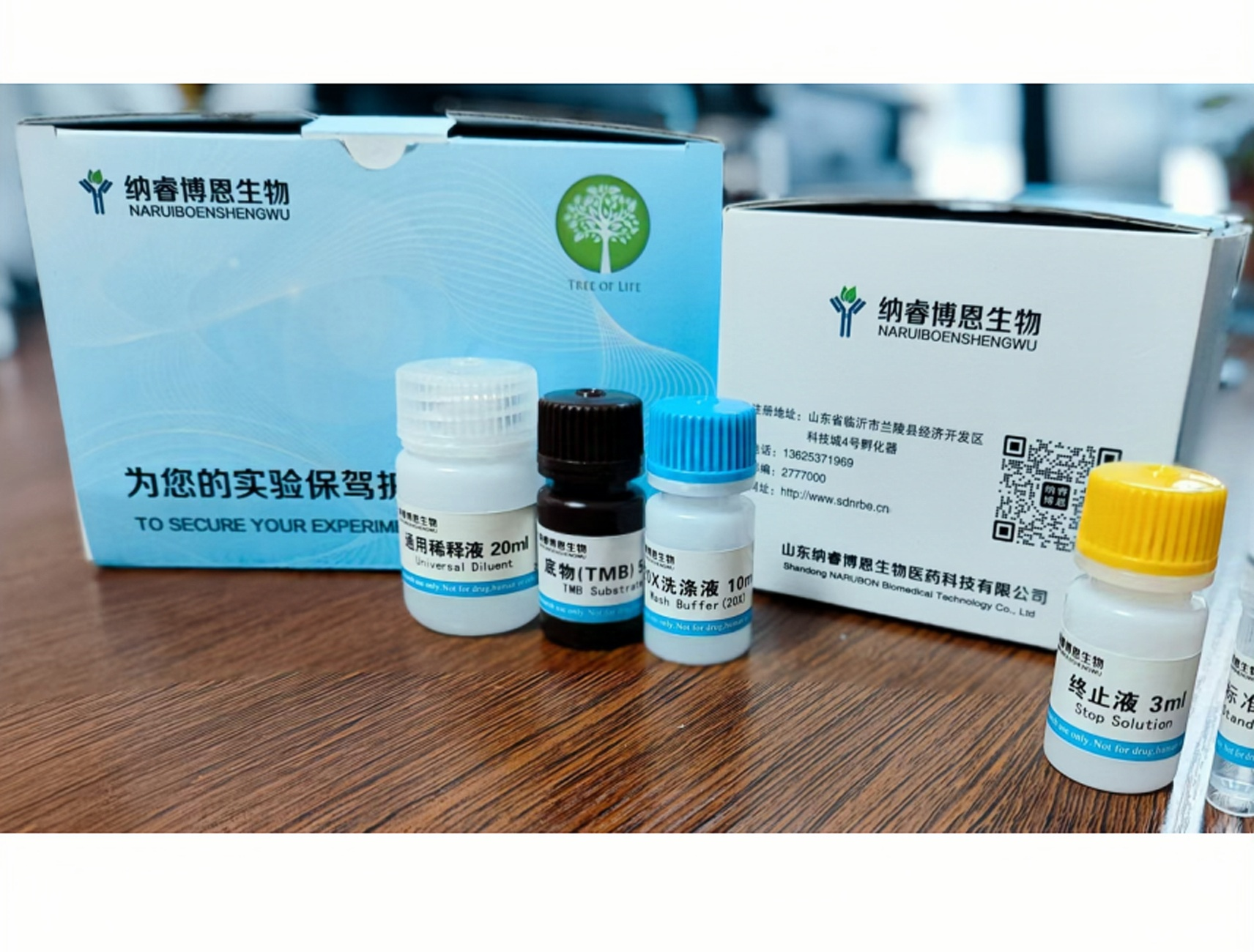
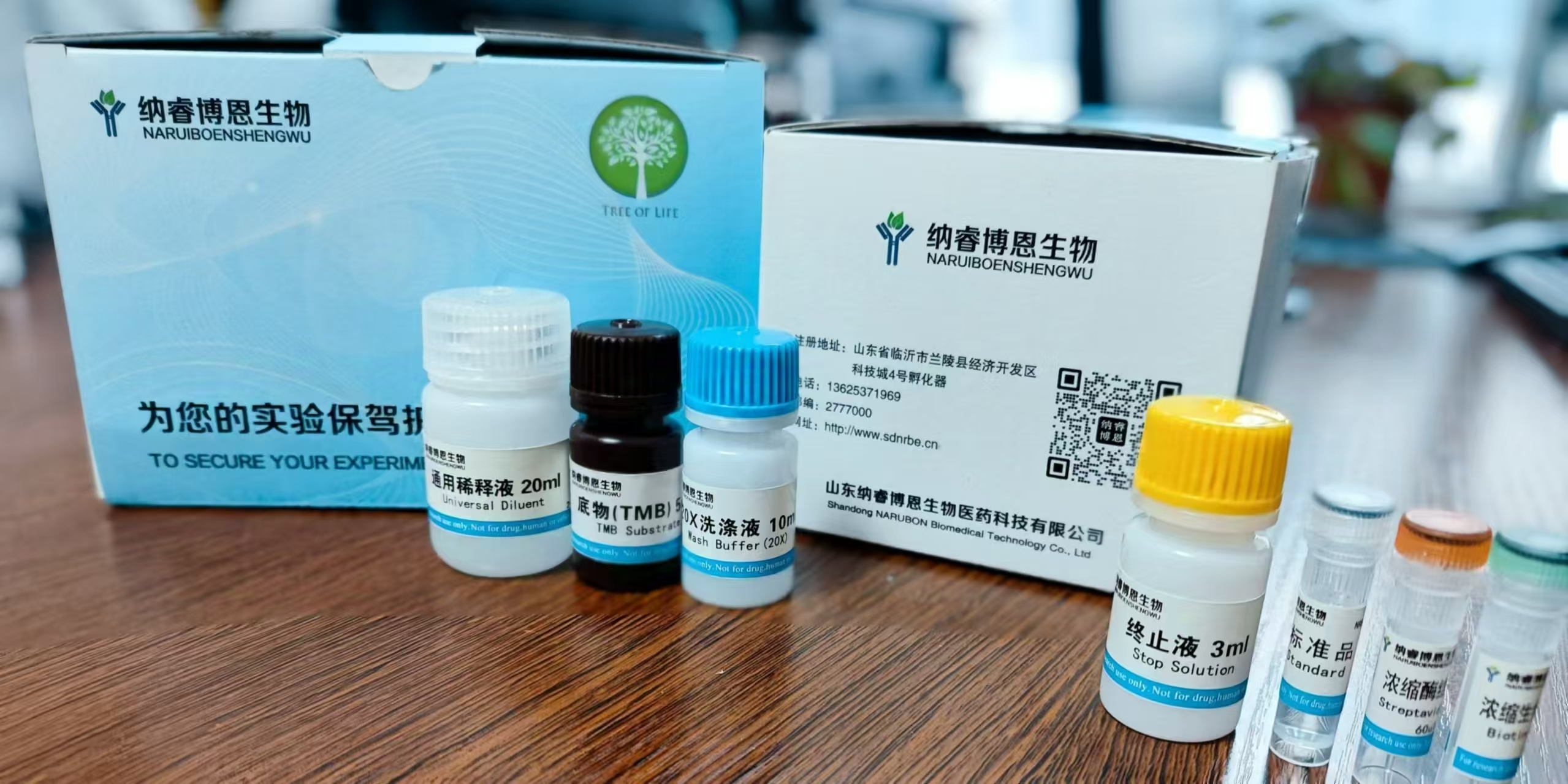
| 本试剂盒所含 材料: | A micro ELISA plat 8×12 |
| Two vials lyophilized standarde | |
| Concentrated Enzyme-Labeled Detection Antibody (100 x concentrate) 1 x 120 μl | |
| Universal Diluent 2 x 20 ml | |
| Wash Buffer (20 x concentrate) 2 x 10 ml | |
| TMB Substrate 1 x 10 ml | |
| Stop Solution 1 x 60 ml | |
| Four plate sealing film (For 96 wells) | |
| An instruction manua | |
| 精密度: | ntra-assay Precision (Precision within an assay): CV%<8% |
| Three samples of known concentration were tested twenty times on one plate to assess. | |
| Inter-assay Precision (Precision between assays): CV%<10% | |
| Three samples of known concentration were tested in twenty assays to assess. |
| 线性度: | To assess the linearity of the assay, samples were spiked with high concentrations of human ACEⅠ in various matrices and diluted with the Sample Diluent to produce samples with values within the dynamic range of the assay. | ||
| Sample | Serum(n=4) | ||
| 1:200 | Average % | 96 | |
| Range % | 92-103 | ||
| 1:400 | Average % | 95 | |
| Range % | 82-100 | ||
| 1:800 | Average % | 103 | |
| Range % | 99-111 | ||
| 1:1600 | Average % | 85 | |
| Range % | 82-96 | ||
| 回收率: | The recovery of human ACEⅠ spiked to levels throughout the range of the assay in various matrices was evaluated. Samples were diluted prior to assay as directed in the Sample Preparation section. | ||
| Sample Type | Average % Recovery | Range | |
| Serum (n=5) | 91 | 85-96 | |
| EDTA plasma (n=4) | 110 | 100-117 | |
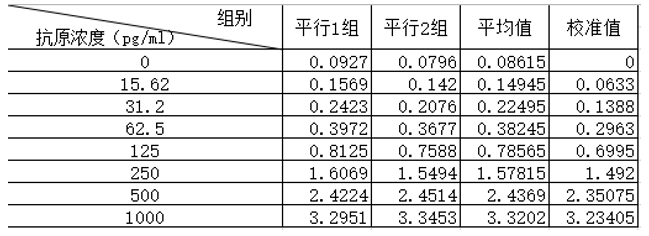
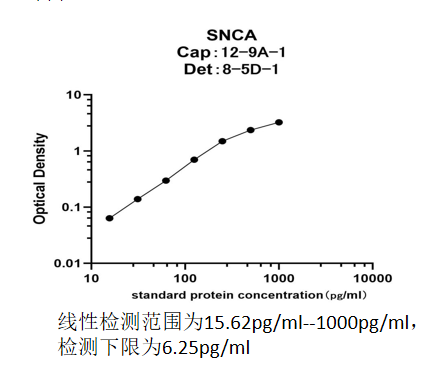
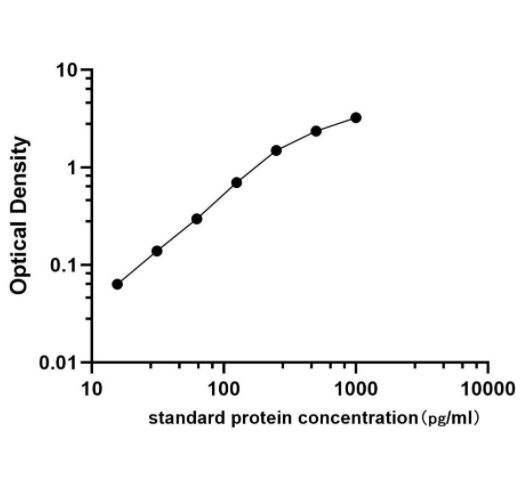
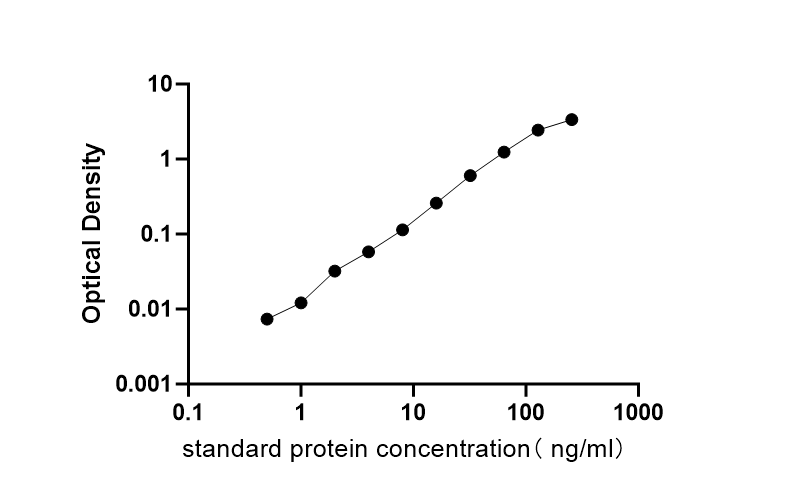
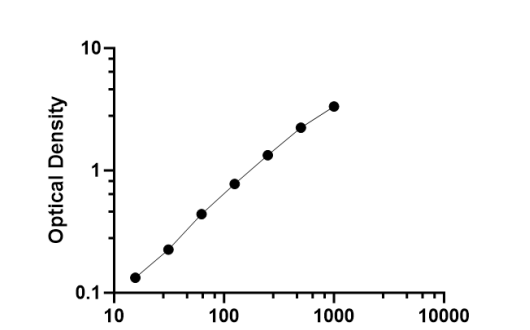
| 标准曲线: | 这些标准曲线仅用于演示。应为每组分析的样品生成标准曲线。 | ||
 | |||
 | |||
| 靶点详情: | SNCA 是一种由 140 个氨基酸组成的可溶性小分子蛋白,主要定位于中枢神经系统神经元的突触前膜,在外周神经系统及非神经组织中也有低水平表达。其 N 端含 7 个保守的重复序列(KTKEGV),可形成 α- 螺旋结构,介导与脂质膜的结合;C 端为富含酸性氨基酸的无序区域,参与蛋白相互作用调控。生理状态下,SNCA 参与突触囊泡循环、神经递质释放(尤其多巴胺)及突触可塑性维持。病理状态下,其易发生构象异常,从可溶性单体错误折叠为 β- 折叠结构的寡聚体,进而聚集形成不溶性纤维,最终组装成路易小体(Lewy bodies)和路易神经突(Lewy neurites),这是帕金森病(PD)、路易体痴呆(DLB)等 α- 突触核蛋白病的典型病理标志。此外,SNCA 基因的错义突变(如 A53T、A30P)或拷贝数变异(重复 / 倍增)可导致蛋白功能获得性异常,引发早发性家族性帕金森病,提示其在神经退行性疾病发生发展中起核心作用。近年研究发现,异常 SNCA 还可通过 “朊病毒样传播” 机制在脑内扩散,驱动病变区域扩展,成为疾病进展的关键分子事件。 |
上一篇:GFAP ELISA 试剂盒
下一篇:Snail-ELISA试剂盒




 鲁公网安备37132402371612号